

Complete Guide to Hajj Rituals
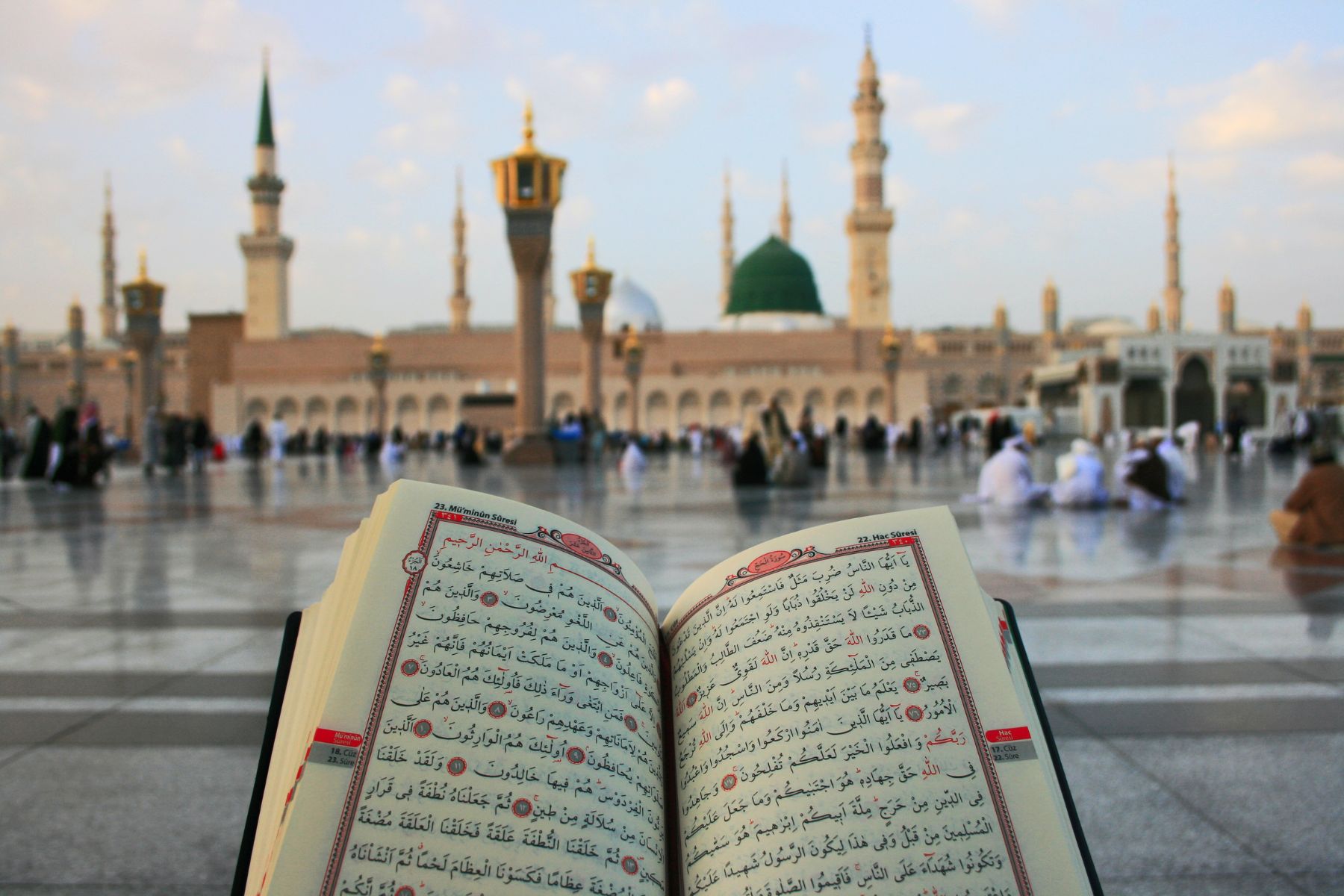
Hajj is one of the five pillars of Islam and is an obligation for every Muslim who is physically and financially capable of performing it at least once in their lifetime. The pilgrimage takes place annually in the holy city of Makkah and includes a series of sacred rituals performed over several days in specific locations around the city. These rituals symbolize devotion, unity, and submission to Allah.
1. Entering the State of Ihram
The first step of Hajj is entering the state of Ihram, a sacred state of purity and intention. Pilgrims wear special clothing and make the intention (Niyyah) for Hajj before crossing the Miqat boundary. During Ihram, pilgrims must avoid certain actions such as cutting hair, using perfume, or engaging in arguments.
2. Tawaf Around the Kaaba
Upon arriving at Masjid al‑Haram, pilgrims perform Tawaf, which involves circling the Kaaba seven times in a counterclockwise direction. Tawaf represents the unity of believers in the worship of one God.
3. Sa’i Between Safa and Marwa
After Tawaf, pilgrims perform Sa’i, walking seven times between the hills of Safa and Marwa. This ritual commemorates the struggle of Hajar (the wife of Prophet Ibrahim) as she searched for water for her son Ismail.
4. Stay at Mina
On the 8th day of Dhul Hijjah, pilgrims travel to Mina, where they spend the day and night in prayer and preparation for the following rituals.
5. Standing at Arafat (Wuquf)
The most important ritual of Hajj is the Day of Arafah, when pilgrims gather at Mount Arafat on the 9th of Dhul Hijjah. Pilgrims spend the day making supplications and seeking forgiveness, as this moment symbolizes the Day of Judgment.
6. Muzdalifah Stay
After sunset on the Day of Arafah, pilgrims travel to Muzdalifah where they spend the night under the open sky, pray, and collect small pebbles for the next ritual.
7. Stoning the Jamarat
Pilgrims return to Mina to perform Ramy al-Jamarat, the symbolic stoning of the pillars representing Satan at Jamarat Bridge.
8. Animal Sacrifice (Qurbani)
Pilgrims perform the sacrifice of an animal to commemorate the obedience of Prophet Ibrahim to Allah’s command. This act is performed during the days of Eid al‑Adha.
9. Halq or Taqsir
Male pilgrims shave their heads (Halq) or trim their hair (Taqsir), while women cut a small portion of their hair. This signifies the completion of major Hajj rituals and the exit from Ihram.
10. Tawaf al-Ifadah and Final Tawaf
Pilgrims return to Masjid al‑Haram to perform Tawaf al-Ifadah, an essential Hajj ritual. Before leaving Makkah, pilgrims perform the Farewell Tawaf (Tawaf al-Wada) as a final act of devotion.